Natco Pharma’s Growth Strategy Uncovered: Your Ultimate Business Plan Guide
Explore the comprehensive business plan of Natco Pharma Ltd., detailing strategic growth, market analysis, operational excellence, R&D initiatives, and financial projections. Learn how Natco Pharma is positioned for global pharmaceutical leadership. Keywords (Meta Tag):

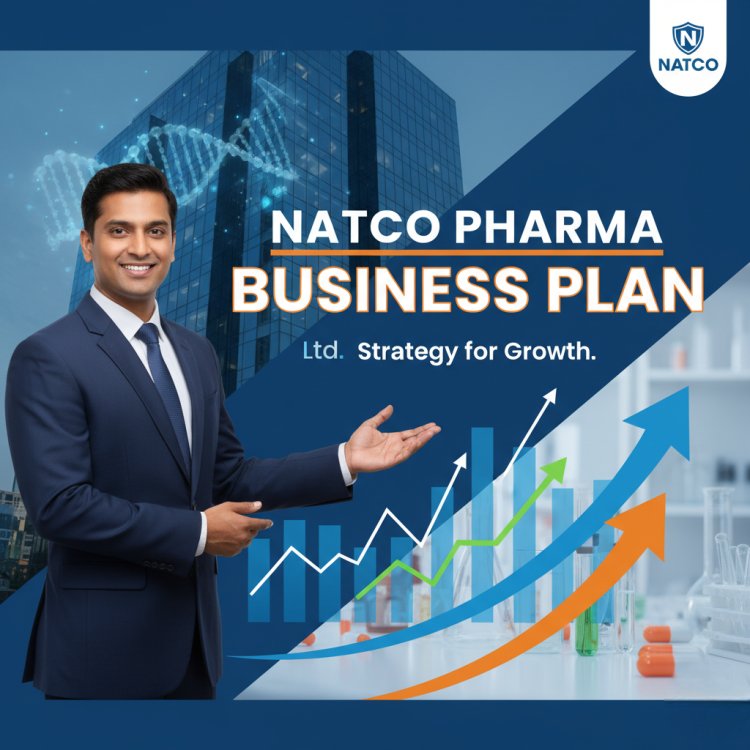

NATCO PHARMA LTD.
Strategic Business Plan 2025-2035
1. EXECUTIVE SUMMARY
Company Foundation & Heritage
Natco Pharma Limited, established in 1981 by the visionary Dr. P. Ramarao, has evolved from a modest pharmaceutical venture into a globally recognized leader in affordable healthcare solutions. Headquartered in Hyderabad, India, Natco has built its reputation on delivering high-quality generic medicines, oncology therapeutics, and biosimilars to patients across more than 60 countries.
Core Business Areas
Generic Formulations: Natco manufactures a comprehensive portfolio of over 200 generic formulations across therapeutic segments including cardiovascular, anti-diabetic, gastroenterology, and respiratory medications.
Oncology Excellence: The company has established itself as a pioneer in affordable cancer care, manufacturing complex oncology formulations including targeted therapies and immunotherapy agents.
Biosimilars Development: Leveraging advanced biotechnology capabilities, Natco develops biosimilar versions of expensive biologics, making critical treatments accessible to broader patient populations.
Active Pharmaceutical Ingredients (APIs): The company produces high-quality APIs for both captive consumption and third-party supply, ensuring backward integration and cost efficiency.
Key Achievements
Natco Pharma has demonstrated exceptional growth trajectory with several landmark achievements. The company successfully launched India's first generic version of Nexavar (Sorafenib) under a compulsory license, setting a precedent for affordable cancer treatment access. The organization has received USFDA approval for multiple Abbreviated New Drug Applications (ANDAs), establishing credibility in the world's most stringent regulatory market. Natco's manufacturing facilities have earned certifications from global regulatory authorities including USFDA, MHRA, TGA, and WHO-GMP, reflecting commitment to quality excellence.
Vision, Mission, and Core Values
Vision: To be a globally trusted pharmaceutical company transforming lives through innovative, affordable, and accessible healthcare solutions.
Mission: To discover, develop, and deliver high-quality medicines that address unmet medical needs while maintaining unwavering commitment to patient safety, ethical practices, and sustainable growth.
Core Values:
- Patient-Centricity: Every decision prioritizes patient welfare and treatment accessibility
- Innovation: Continuous investment in R&D to develop breakthrough therapies
- Quality Excellence: Uncompromising standards in manufacturing and regulatory compliance
- Integrity: Ethical business practices across all stakeholder relationships
- Sustainability: Environmental stewardship and social responsibility
- Collaboration: Building strategic partnerships for mutual growth and global impact
Strategic Financial Objectives (2025-2035)
Revenue Growth: Achieve compound annual growth rate (CAGR) of 18-22% over the next decade, targeting revenue of ₹15,000-18,000 crores by 2035 from current base of approximately ₹3,500 crores.
Profitability Enhancement: Maintain EBITDA margins between 28-32% through operational efficiency, product mix optimization, and value-added specialty portfolios.
Global Market Expansion: Increase international revenue contribution from 35% to 55% by 2030, with focused penetration in regulated markets (USA, EU, Japan) and emerging economies (Latin America, Africa, Southeast Asia).
R&D Investment: Allocate 10-12% of annual revenue to research and development, focusing on biosimilars, novel drug delivery systems, and first-to-file opportunities in complex generics.
Market Capitalization: Position Natco among India's top 10 pharmaceutical companies by market capitalization, targeting valuation of ₹50,000+ crores by 2035.
2. COMPANY OVERVIEW
Products and Services Portfolio
Generic Formulations Division
Natco's generic formulations span multiple therapeutic categories with strong market positioning in India and international markets. The cardiovascular segment includes angiotensin receptor blockers, calcium channel blockers, and anticoagulants. The anti-diabetic portfolio features metformin combinations, DPP-4 inhibitors, and SGLT-2 inhibitors addressing the growing diabetes epidemic. Respiratory therapeutics include bronchodilators and inhaler formulations for asthma and COPD management. The gastroenterology range comprises proton pump inhibitors, H2 receptor antagonists, and treatments for inflammatory bowel disease.
Oncology Therapeutics
The oncology division represents Natco's crown jewel, featuring sophisticated anti-cancer agents. The portfolio includes tyrosine kinase inhibitors like Imatinib, Gefitinib, and Lenvatinib for targeted cancer therapy. Hormonal therapy agents address breast and prostate cancers. Immunotherapy products represent the cutting edge of cancer treatment, offering new hope to patients with previously untreatable malignancies. Supportive care medications help manage chemotherapy side effects, improving patient quality of life during treatment.
Biosimilars Platform
Natco has invested significantly in biotechnology infrastructure to develop biosimilar versions of expensive biologics. The current pipeline includes monoclonal antibodies for cancer and autoimmune disorders, insulin analogs for diabetes management, and growth factors for supportive care. The biosimilars strategy focuses on products with high unmet need and significant cost-saving potential for healthcare systems.
Active Pharmaceutical Ingredients (APIs)
The API division manufactures both generic and specialty ingredients, ensuring supply chain security for formulation units while generating additional revenue through merchant sales. Key API categories include oncology actives, cardiovascular compounds, anti-diabetic ingredients, and antiretroviral APIs for HIV treatment.
Contract Manufacturing and Licensing
Natco offers contract development and manufacturing services (CDMO) for innovator companies and other generic manufacturers. The company also engages in strategic licensing agreements, both in-licensing promising molecules for development and out-licensing proprietary technologies to international partners.
Organizational Structure
Natco Pharma operates through a matrix organizational structure designed to balance functional excellence with business unit accountability. The corporate headquarters in Hyderabad houses strategic functions including corporate strategy, finance, legal, human resources, and corporate communications.
Business Units:
- Domestic Formulations: Manages Indian market operations across all therapeutic segments
- International Generics: Oversees regulated and emerging market operations
- Oncology & Specialty: Dedicated focus on high-value oncology portfolio
- Biosimilars: Independent business unit for biologics development and commercialization
- API Business: Manages active ingredient manufacturing and sales
Support Functions:
- Research & Development: Centralized R&D with specialized centers for small molecules, biologics, and drug delivery
- Manufacturing Operations: Multiple manufacturing sites with specialized capabilities
- Quality Assurance: Independent quality function ensuring regulatory compliance
- Supply Chain Management: Procurement, logistics, and distribution operations
- Regulatory Affairs: Global regulatory strategy and submissions management
Leadership Team and Management Competencies
Board of Directors: The board comprises accomplished professionals with deep pharmaceutical industry experience, financial expertise, and regulatory knowledge. Independent directors bring diverse perspectives on strategy, governance, and risk management.
Executive Leadership:
Managing Director & CEO: Provides overall strategic direction, stakeholder management, and drives organizational vision. The MD brings decades of pharmaceutical industry experience and successful track record in business transformation.
Chief Financial Officer: Oversees financial planning, treasury management, investor relations, and capital allocation decisions. Strong background in pharmaceutical industry finance and corporate strategy.
Chief Operating Officer: Manages manufacturing operations, supply chain efficiency, and operational excellence initiatives. Expertise in pharmaceutical manufacturing and quality systems.
Head of Research & Development: Leads innovation agenda, pipeline development, and technology acquisition. Ph.D. qualified with extensive experience in pharmaceutical research and regulatory strategy.
Chief Commercial Officer: Drives sales and marketing strategy for domestic and international markets. Proven track record in market development and commercial operations.
Head of Quality & Regulatory Affairs: Ensures compliance with global regulatory standards and manages regulatory submissions. Expert in pharmaceutical quality systems and international regulations.
Chief Human Resources Officer: Leads talent acquisition, organizational development, and culture initiatives. Focused on building high-performance organization.
Current Market Position
Indian Market: Natco ranks among the top 30 pharmaceutical companies in India by domestic formulations sales. The company has established strong presence in key therapeutic segments including oncology (top 5 position), cardiology, and diabetology. Distribution network covers over 100,000 retail pharmacies and 5,000 hospitals across India.
Global Markets: International operations contribute approximately 35% of total revenue. The company has significant presence in USA through ANDA filings, with over 40 products approved and several first-to-file opportunities in pipeline. European operations focus on specialty products and oncology formulations. Emerging markets including Latin America, Africa, and Southeast Asia represent high-growth opportunities with established distribution partnerships.
Therapeutic Leadership: Natco has achieved leadership position in oncology segment with comprehensive portfolio of affordable cancer treatments. The company's branded oncology products are widely prescribed by oncologists across India. In hepatitis C treatment, Natco played pioneering role in making direct-acting antivirals accessible through voluntary licensing agreements.
3. MARKET ANALYSIS
Global Pharmaceutical Market Trends
The global pharmaceutical market is projected to reach $1.9 trillion by 2028, growing at a CAGR of 6-7%. Several transformative trends are reshaping the industry landscape and creating strategic opportunities for companies like Natco.
Biologics and Specialty Pharmaceuticals: The shift toward biologic therapies continues accelerating, with biologics expected to represent over 35% of global pharmaceutical sales by 2030. This trend creates substantial opportunities in biosimilars as patents expire on blockbuster biologics. The complexity of manufacturing and regulatory approval for biosimilars creates barriers to entry, favoring established players with technical capabilities.
Personalized Medicine: Advances in genomics and biomarker identification are driving toward precision medicine approaches, particularly in oncology. Targeted therapies designed for specific patient populations with genetic markers offer improved efficacy and reduced side effects. This trend aligns perfectly with Natco's oncology focus and creates opportunities for specialized product development.
Digital Health Integration: The pharmaceutical industry is experiencing digital transformation through telemedicine, digital therapeutics, real-time monitoring, and artificial intelligence in drug discovery. Companies that embrace digital technologies gain competitive advantages in R&D efficiency, patient engagement, and market access.
Access and Affordability Pressures: Healthcare systems worldwide face mounting pressure to contain costs while expanding access. This dynamic favors generic manufacturers that can deliver cost-effective alternatives to branded products. Value-based pricing models are emerging, where reimbursement is linked to clinical outcomes rather than volume.
Emerging Market Growth: Developing economies in Asia, Africa, and Latin America represent the fastest-growing pharmaceutical markets. Rising incomes, expanding insurance coverage, increasing disease awareness, and improving healthcare infrastructure drive pharmaceutical consumption. These markets favor companies with affordable product portfolios and flexible commercial models.
Indian Pharmaceutical Market Dynamics
India's pharmaceutical market is projected to reach $130 billion by 2030, growing at 12-15% CAGR. Several factors underpin this robust growth trajectory.
Demographic Drivers: India's population of 1.4 billion creates massive healthcare demand. Aging population increases prevalence of chronic diseases requiring long-term medication. Growing middle class with increasing disposable income drives healthcare spending. Urbanization leads to lifestyle changes and associated health conditions.
Policy Environment: The Indian government's focus on universal health coverage through schemes like Ayushman Bharat expands insured population and pharmaceutical access. National Health Mission strengthens primary healthcare infrastructure. Generic pricing policies ensure affordability while maintaining industry viability. Promotion of medical tourism positions India as global healthcare destination.
Manufacturing Excellence: India supplies approximately 50% of global generic demand and 40% of generic drug demand in USA. The country has earned reputation as "pharmacy of the world" through quality manufacturing and competitive pricing. Strong chemistry and process engineering capabilities enable complex generics development. Robust intellectual property framework post-TRIPS compliance attracts innovation and investment.
Domestic Market Characteristics: Indian pharmaceutical market is highly fragmented with over 10,000 players. Top 10 companies command approximately 35% market share, leaving significant opportunities for consolidation. Chronic therapies including cardiovascular, diabetes, and respiratory medications dominate sales. Acute therapies like anti-infectives show seasonal variations. Increasing preference for branded generics over pure generics creates differentiation opportunities.
Regulatory Frameworks and Compliance
US FDA Regulations: The United States represents the world's most stringent regulatory environment and largest pharmaceutical market. FDA approval through ANDA pathway requires demonstration of bioequivalence, manufacturing quality, and site inspections. Natco has established track record of ANDA approvals and maintains FDA-compliant manufacturing facilities. First-to-file opportunities with 180-day market exclusivity provide substantial revenue potential for complex generics with patent challenges.
European Medicines Agency (EMA): European Union market access requires EMA approval or individual country approvals through decentralized procedure. Europe emphasizes pharmacovigilance and risk management throughout product lifecycle. Brexit has created additional complexity with separate UK MHRA requirements. Natco's strategy focuses on specialty products and oncology formulations where pricing is less constrained.
WHO Prequalification: WHO prequalification enables supply to United Nations agencies and access to procurement by low-income countries. This certification is critical for global health products addressing HIV, tuberculosis, malaria, and other infectious diseases. Natco's WHO-GMP certified facilities enable participation in global health programs.
Emerging Market Regulations: Regulatory requirements vary significantly across emerging markets. Some countries have expedited approval pathways for products approved by stringent regulatory authorities. Others require local clinical studies or technology transfer arrangements. Registration timelines range from 6 months to 3 years depending on country and product category.
Pricing Dynamics and Market Access
Indian Pricing Regulation: National Pharmaceutical Pricing Authority (NPPA) controls prices of essential medicines listed in National List of Essential Medicines (NLEM). Approximately 900+ formulations are under price control, covering roughly 20% of pharmaceutical market by value. Non-scheduled drugs are subject to annual price increase ceiling of 10%. Companies must navigate pricing regulations while maintaining profitability through product mix optimization.
US Pricing Environment: US market offers high prices but faces increasing pricing pressures. Generic competition typically drives 80-90% price erosion from branded levels within 12-18 months of generic entry. Pharmacy benefit managers (PBMs) negotiate aggressive discounts in exchange for formulary placement. Recent legislative changes including Inflation Reduction Act introduce Medicare negotiation for certain drugs. Despite pricing pressures, US market remains most profitable for pharmaceutical companies globally.
European Pricing and Reimbursement: European countries employ various mechanisms including reference pricing based on lowest prices across member states, health technology assessment to evaluate cost-effectiveness, and mandatory price reductions for generic entry. Pharmaceutical companies negotiate country-specific pricing and reimbursement terms. Market access requires demonstrating clinical value and economic benefits to healthcare systems.
Emerging Market Pricing: Developing countries generally have lower price levels reflecting economic conditions and affordability constraints. Many countries employ international reference pricing benchmarked to comparator countries. Tender-based procurement for public sector creates price competition. Private market pricing varies based on brand equity and therapeutic differentiation.
Therapeutic Area Analysis
Oncology Market: Global oncology market exceeds $180 billion and growing at 8-10% annually. Cancer incidence continues rising due to aging populations and lifestyle factors. Immuno-oncology represents fastest-growing segment with annual growth exceeding 20%. Targeted therapies based on molecular markers are becoming treatment standard. Biosimilar oncology drugs create access opportunities as patent cliffs approach for biologics. In India, cancer burden is increasing with approximately 1.4 million new cases annually. Affordability remains major barrier with many patients unable to access modern cancer treatments. Natco's leadership in affordable oncology positions company to address this unmet need while building sustainable business.
Cardiovascular Therapeutics: Cardiovascular disease represents leading cause of mortality globally and in India. Hypertension, dyslipidemia, and heart failure require chronic medication management. Generic penetration is high in mature markets, creating intense price competition. Newer therapies including PCSK9 inhibitors and SGLT-2 inhibitors with cardiovascular benefits offer growth opportunities. In India, cardiovascular segment represents largest therapeutic category by value with steady growth trajectory.
Diabetes Management: Global diabetes prevalence approaches 500 million patients and projected to reach 700 million by 2045. India has approximately 80 million diabetic patients, earning designation as "diabetes capital of the world." Oral anti-diabetic drugs including metformin, DPP-4 inhibitors, and SGLT-2 inhibitors dominate market. Injectable insulin and GLP-1 agonists represent premium segment with higher margins. Growing emphasis on combination therapies for comprehensive glycemic control creates product development opportunities.
Hepatitis C: Direct-acting antivirals (DAAs) revolutionized hepatitis C treatment with cure rates exceeding 95%. Generic DAAs dramatically reduced treatment costs from over $80,000 to less than $500 for full treatment course. Natco played pioneering role through voluntary licensing agreements for sofosbuvir and other DAAs. While acute demand has moderated as prevalent patients receive treatment, ongoing transmission creates sustainable market for screening and treatment programs.
Biosimilars Opportunity: Patent expiration of blockbuster biologics creates multi-billion dollar biosimilar opportunity. Key biologics losing exclusivity include adalimumab (Humira) for autoimmune diseases, bevacizumab (Avastin) for oncology, rituximab (Rituxan) for oncology and autoimmune conditions, and trastuzumab (Herceptin) for breast cancer. Biosimilar development requires significant investment in manufacturing infrastructure, clinical development, and regulatory expertise. Market adoption faces challenges including physician education, interchangeability concerns, and reimbursement policies. However, healthcare cost containment pressures favor biosimilar adoption with potential savings of 30-70% versus originator biologics.
Competitor Analysis
Domestic Competition: Sun Pharmaceutical Industries leads Indian pharmaceutical industry with strong presence in specialty formulations and domestic branded generics. The company has established significant US generic operations and dermatology franchise. Dr. Reddy's Laboratories maintains leadership in APIs, complex generics, and biosimilars development. Cipla has built strong brand equity in respiratory therapeutics and maintains leadership in antiretroviral drugs for HIV. Lupin focuses on cardiovascular, anti-diabetic, and respiratory medications with significant US presence. Aurobindo Pharma emphasizes API-formulation integration and cost leadership in generics. Zydus Lifesciences has diverse portfolio spanning generics, vaccines, and wellness products.
Global Competition: Teva Pharmaceutical Industries remains world's largest generic manufacturer despite recent challenges. The company has broad product portfolio and global commercial infrastructure. Mylan (now part of Viatris) maintains strong generic and biosimilar operations with specialty brands. Sandoz (Novartis generic division) combines breadth of portfolio with credibility of parent company. Hikma Pharmaceuticals focuses on Middle East, North Africa, and US injectable markets. Rising competition from Chinese manufacturers in APIs and formulations based on cost advantages.
Competitive Positioning: Natco differentiates through oncology specialization and leadership in affordable cancer care. The company has established trust among oncologists for quality and reliability. Focus on complex generics and first-to-file opportunities in US market creates competitive advantage. Biosimilar capabilities position Natco for high-value biologics opportunity. Integrated API-formulation operations provide cost competitiveness. However, Natco's scale remains smaller than leading competitors, necessitating focused strategies in selected therapeutic areas and markets.
Consumer Trends and Patient Demands
Patient Empowerment: Modern patients actively research their conditions and treatment options using internet resources. Social media and online communities enable peer-to-peer information sharing. Patients increasingly advocate for treatment choices and question physician recommendations. Pharmaceutical companies must engage patients through educational content and support programs. Transparency regarding pricing, clinical evidence, and drug information builds trust.
Access and Affordability: Out-of-pocket healthcare costs represent major concern, particularly in countries with limited insurance coverage. Patients actively seek generic alternatives to expensive branded medications. Assistance programs including patient access programs and government schemes influence brand loyalty. Companies that demonstrate commitment to affordable access build positive reputation.
Quality and Safety Expectations: Despite cost consciousness, patients do not compromise on quality and safety. Brand reputation for consistent quality influences prescriber and patient confidence. Product recalls or quality issues can permanently damage brand equity. Pharmacovigilance and transparency regarding adverse events are expected.
Convenience and Adherence: Chronic disease management requires long-term medication adherence. Simplified dosing regimens improve compliance versus multiple daily doses. Combination products reduce pill burden. Digital solutions including reminder apps and telemedicine consultations support adherence. Pharmaceutical companies that address convenience and adherence issues create competitive differentiation.
High-Growth Opportunities
Biosimilar Oncology: Patent expiration of blockbuster oncology biologics creates multi-billion dollar opportunity. Bevacizumab, rituximab, and trastuzumab biosimilars can generate substantial revenue with relatively limited competition due to technical and regulatory barriers. Natco's oncology expertise and biotechnology capabilities position company to capture this opportunity.
Complex Generics: Technically challenging formulations including transdermal patches, inhalers, extended-release formulations, and ophthalmic products offer attractive margins due to limited competition. First-to-file opportunities with patent challenges provide temporary market exclusivity. Natco should prioritize development capabilities for complex delivery systems.
Specialty Distribution: Moving up value chain from manufacturing to distribution of specialty pharmaceuticals provides margin enhancement. Direct-to-pharmacy or direct-to-patient distribution models bypass traditional wholesale channels. Specialty pharmacies for oncology and rare diseases offer integrated patient support services. This strategy requires significant investment but builds sustainable competitive advantage.
Emerging Markets: Africa, Southeast Asia, and Latin America offer high growth potential with limited current presence of multinational corporations. Local manufacturing or technology transfer arrangements address import restrictions. Partnerships with local distributors enable rapid market entry. Tailored product formulations address tropical diseases and local health priorities.
Digital Therapeutics: Prescription digital therapeutics (PDTs) represent emerging category combining pharmaceutical products with digital health applications. Applications include medication adherence support, disease management programs, remote patient monitoring, and cognitive behavioral therapy. Pharmaceutical companies can create differentiated offerings by integrating digital solutions with medication therapy.
4. STRATEGIC OBJECTIVES & GROWTH PLAN
Short-Term Objectives (2025-2027)
Revenue Growth: Achieve annual revenue of ₹5,000-5,500 crores by FY2027, representing 20%+ CAGR from current base. Domestic formulations should contribute ₹2,800-3,000 crores through market share gains in oncology, cardiology, and diabetology. International operations should reach ₹2,200-2,500 crores driven by ANDA approvals and emerging market expansion.
Product Pipeline Execution: File 15-20 ANDAs in US market during 2025-2027 period, focusing on complex generics and first-to-file opportunities. Launch 8-12 new products in US market from currently pending ANDAs. Obtain regulatory approvals for 3-5 new products in EU markets. Expand domestic portfolio with 20-25 new product launches across therapeutic segments.
Biosimilar Development: Complete Phase III clinical trials for lead biosimilar candidate (bevacizumab or rituximab) and file for regulatory approval in India and emerging markets. Establish biosimilar manufacturing facility with 200-300 liters capacity for commercial production. Advance 2-3 additional biosimilar molecules through early development phases. Evaluate in-licensing opportunities for biosimilar products with regulatory approval.
Manufacturing Capacity: Expand oncology formulation capacity by 30-40% to support growing demand in India and international markets. Commission new manufacturing line for complex generics including extended-release formulations. Implement continuous manufacturing technologies in API production to improve efficiency. Achieve zero critical regulatory observations from global regulatory authorities.
Market Expansion: Enter 5-7 new countries in Africa and Southeast Asia through distributor partnerships. Establish subsidiary operations in 2-3 key Latin American markets. Strengthen European presence through additional country registrations and commercial partnerships. Evaluate strategic acquisition of regional pharmaceutical company in high-growth market.
Operational Excellence: Reduce manufacturing costs by 12-15% through process optimization and backward integration. Decrease working capital cycle to 90-100 days from current 120-130 days. Implement enterprise resource planning (ERP) system to improve operational visibility and decision-making. Achieve best-in-class quality metrics with manufacturing defect rate below 0.1%.
Talent Development: Recruit 50-70 experienced R&D scientists specializing in biologics, formulation development, and analytical sciences. Develop succession plans for critical leadership positions. Implement comprehensive training programs for quality systems and regulatory compliance. Establish innovation culture through recognition programs and cross-functional collaboration.
Long-Term Objectives (2028-2035)
Market Leadership: Position Natco among top 15 Indian pharmaceutical companies by revenue by 2030. Achieve leadership position (top 3) in Indian oncology market. Establish top 10 position in US generic market within oncology segment. Build recognized brand for quality and innovation in key international markets.
Revenue and Profitability: Reach annual revenue of ₹15,000-18,000 crores by 2035 through organic growth and strategic acquisitions. Maintain EBITDA margins of 28-32% through premium product mix and operational efficiency. Generate annual operating cash flow of ₹3,000-4,000 crores to fund growth investments. Deliver 20%+ return on invested capital (ROIC) consistently.
Product Portfolio Transformation: Biosimilars should contribute 25-30% of total revenue by 2035 through successful commercialization of 5-7 products. Complex generics and specialty formulations should represent 40-45% of revenue mix. Commodity generics should decline to less than 25% of revenue as portfolio upgrades toward higher-value products. Launch 3-5 novel drug delivery systems with intellectual property protection.
Global Presence: International revenue should reach 55-60% of total sales by 2030. Establish commercial presence in 60+ countries across all major regions. Build direct commercial operations in 10-12 priority countries rather than relying on distributors. Develop strong tender business for supplying UN agencies and government health programs.
Innovation Leadership: File 3-5 patent applications annually for novel formulations, processes, or drug delivery systems. Establish external innovation partnerships with 10-15 academic institutions and research organizations. In-license 5-8 promising early-stage molecules for development and commercialization. Create venture capital fund to invest in promising healthcare startups and technologies.
Sustainability Goals: Achieve carbon neutrality across all manufacturing operations by 2030. Reduce water consumption per unit production by 50% through recycling and process optimization. Eliminate single-use plastics from packaging by 2028. Implement circular economy principles for waste reduction and recycling. Obtain B Corporation certification recognizing social and environmental performance.
Biosimilar Excellence: Operate biosimilar manufacturing facilities with total capacity exceeding 1,000 liters by 2035. Achieve cost of goods sold (COGS) for biosimilars below 20% of originator product prices. Build commercial infrastructure for specialized distribution and patient support programs for biosimilars. Establish Natco brand as trusted biosimilar provider among physicians and healthcare systems.
Domestic Market Penetration Strategy
Oncology Dominance: Natco will leverage its heritage and credibility in oncology to achieve 20%+ market share in Indian oncology pharmaceutical market. The strategy includes expanding hospital coverage to reach 90% of cancer treatment centers and comprehensive research institutes. Building direct relationships with 5,000+ oncologists through medical education programs, symposia participation, and clinical data dissemination creates prescriber loyalty. Patient access programs providing financial assistance and treatment support for economically disadvantaged cancer patients build brand goodness. Launching 15-20 new oncology products by 2030 covering emerging targeted therapies and immunotherapy agents ensures portfolio completeness. Digital platforms connecting patients, doctors, and pharmacies simplify access to specialized oncology medications.
Primary Care Expansion: While oncology remains core focus, Natco should strategically expand in high-volume primary care segments. In cardiovascular therapeutics, introduce combination products addressing hypertension and dyslipidemia simultaneously. For diabetes management, develop comprehensive portfolio spanning oral agents to insulin products. In gastroenterology, focus on proton pump inhibitors and medications for inflammatory bowel disease. Respiratory segment offers opportunities in inhaler formulations for asthma and COPD. The strategy emphasizes branded generic positioning with physician detailing support rather than competing in pure generic commodity segments.
Tier 2 and Tier 3 City Penetration: Major metropolitan areas show high competition and limited growth opportunities. Tier 2 and Tier 3 cities across India represent high-growth markets with expanding healthcare infrastructure. Natco should establish dedicated distribution networks reaching 50,000+ retail pharmacies in smaller cities. Partnerships with regional wholesalers and pharmacy chains provide cost-effective coverage. Localized marketing materials in regional languages improve communication with local healthcare providers. Medical representatives from local communities build authentic relationships with doctors and pharmacists.
Hospital and Institutional Business: Government hospitals, charitable institutions, and large private hospital chains represent significant volume opportunities through tender business. Natco should establish dedicated institutional sales team with expertise in tender participation and contract negotiation. Offering value-added services including clinical training, patient education materials, and pharmacoeconomic data differentiates from competitors. Strategic partnerships with hospital groups for exclusive supply arrangements provide predictable revenue streams. Focus on orphan drugs and specialized medications with limited competition ensures favorable pricing.
Digital Health Integration: India's digital health revolution creates opportunities for pharmaceutical companies to engage patients and healthcare providers through technology. Natco should develop mobile application providing medication information, dosage reminders, and side effect monitoring. Telemedicine partnerships enable remote consultations with specialist doctors supported by home delivery of medications. Online pharmacy collaborations ensure authentic product supply and convenient access. Healthcare professional portal provides medical information, clinical studies, and continuing medical education (CME) content. Analytics from digital platforms provide insights into patient needs, adherence patterns, and market trends.
Global Market Expansion Strategy
US Market Leadership: United States represents most valuable pharmaceutical market globally and strategic priority for Natco. The company should accelerate ANDA filings to build robust pipeline with target of 80-100 approved products by 2030. Prioritization of first-to-file opportunities with paragraph IV patent challenges provides substantial revenue upside despite litigation risks. Focus on complex generics including extended-release formulations, transdermal patches, and inhalation products creates competitive differentiation. Building direct relationships with large retail pharmacy chains, pharmacy benefit managers (PBMs), and group purchasing organizations (GPOs) improves market access. Consider strategic acquisition of US-based generic company with established commercial infrastructure and customer relationships. Biosimilar entry into US market requires significant investment but offers multi-billion dollar opportunity with limited competition.
European Market Strategy: European pharmaceutical market presents challenges including fragmented regulatory requirements, aggressive pricing pressures, and strong domestic competition. Natco should focus on specialty segments particularly oncology where pricing is less constrained and clinical differentiation is valued. Obtain marketing authorizations through centralized procedure (EMA) or decentralized procedure covering multiple countries simultaneously. Establish distribution partnerships with established pharmaceutical wholesalers in key markets including Germany, France, UK, Spain, and Italy. Consider direct commercial operations in 3-5 priority countries once scale justifies infrastructure investment. Tender business supplying national health services and hospital systems provides volume opportunities despite lower pricing. Post-Brexit UK market requires separate regulatory and commercial strategy.
Emerging Markets Opportunity: Developing economies in Africa, Southeast Asia, and Latin America represent fastest-growing pharmaceutical markets globally. These regions align well with Natco's affordable product positioning and manufacturing cost competitiveness. The expansion strategy should identify 15-20 priority countries based on market size, growth trajectory, regulatory environment, and competitive intensity. Establish local presence through distributor partnerships initially with transition to subsidiaries as markets mature. Adapt product registrations to local requirements which may include simplified applications for products approved by stringent regulatory authorities. Local manufacturing or technology transfer arrangements may be required to comply with local content requirements. Participation in public health programs addressing HIV, tuberculosis, malaria, and non-communicable diseases builds market presence and supports social mission.
Middle East and North Africa: Gulf Cooperation Council (GCC) countries including Saudi Arabia, UAE, and Qatar represent high-value markets with relatively streamlined regulatory processes. Products registered by USFDA, EMA, or other stringent regulatory authorities receive expedited approvals. Private healthcare sector dominates in GCC creating premium pricing opportunity. North African countries including Egypt, Algeria, and Morocco offer large populations and growing healthcare infrastructure. Local manufacturing incentives and import restrictions favor companies willing to establish in-country production. Halal certification of pharmaceutical products is often mandatory or preferred in predominantly Muslim markets.
China Market Considerations: China represents world's second-largest pharmaceutical market but presents significant entry barriers. Regulatory approval process has historically been lengthy and unpredictable, though recent reforms have improved timelines. Strong domestic Chinese generic manufacturers including CSPC, Sino Biopharmaceutical, and Shanghai Pharmaceuticals dominate local market. Intellectual property protection concerns persist despite legal reforms. Entry strategy should evaluate partnerships with local companies for development and commercialization rather than independent market entry. Chinese market may be suitable for API supply rather than finished formulations initially.
Product Diversification Strategy
Biosimilar Portfolio Development: Biosimilars represent highest-priority growth driver requiring sustained investment over next decade. Natco should pursue disciplined portfolio approach focusing on products with largest market opportunity and reasonable development timelines. Priority biosimilars include bevacizumab (Avastin) for colorectal, lung, and other cancers with global sales exceeding $5 billion; rituximab (Rituxan) for non-Hodgkin lymphoma and autoimmune diseases with peak sales over $7 billion; trastuzumab (Herceptin) for HER2-positive breast cancer with substantial market opportunity; pegfilgrastim (Neulasta) for neutropenia associated with chemotherapy; and adalimumab (Humira) for rheumatoid arthritis and other autoimmune conditions representing largest biologic by sales. Development timeline for biosimilars typically requires 7-10 years from initiation to regulatory approval including cell line development, process optimization, analytical characterization, pharmacokinetic/pharmacodynamic studies, and confirmatory Phase III clinical trials. Partnership strategy should evaluate co-development agreements with other companies to share costs and risks while accelerating development timelines.
Specialty Formulations: Complex drug delivery systems offer attractive margins and limited competition due to technical barriers. Natco should build internal capabilities for transdermal patches enabling continuous drug delivery over days or weeks for hormone replacement, pain management, and cardiovascular medications. Extended-release oral formulations using matrix, reservoir, or osmotic pump technologies provide once-daily convenience improving adherence. Inhalation products for respiratory diseases require
-
Promotional Offer & CTA (Call-to-Action):
-
Express from Gomsu Information Technologies: POS, IMS, and CRM tools free for 3 months for clients who choose social media management services.
-
Each app/service costs ₹5,000 per month; if a client orders 5 apps, all Gomsu tools will be free permanently.
-
Provide clear call-to-action options for potential clients:
-
Email us: [info@gomsuit.com]
-
Call us: [+91-XXXXXXXXXX]
-
Visit our office: [Insert Address]
-
Website & Online Inquiry: [www.gomsuit.com]
-
-
-
Conclusion:
-
Strategic recommendations to strengthen Natco Pharma’s market leadership, operational efficiency, and long-term profitability.
-
Highlight potential challenges and proposed solutions.
-
What's Your Reaction?