India’s Green Energy Transition
Explore India’s green energy transition and discover new business models emerging in solar and wind energy. Learn how companies can prepare, innovate, attract investment, and scale with strategic digital tools.
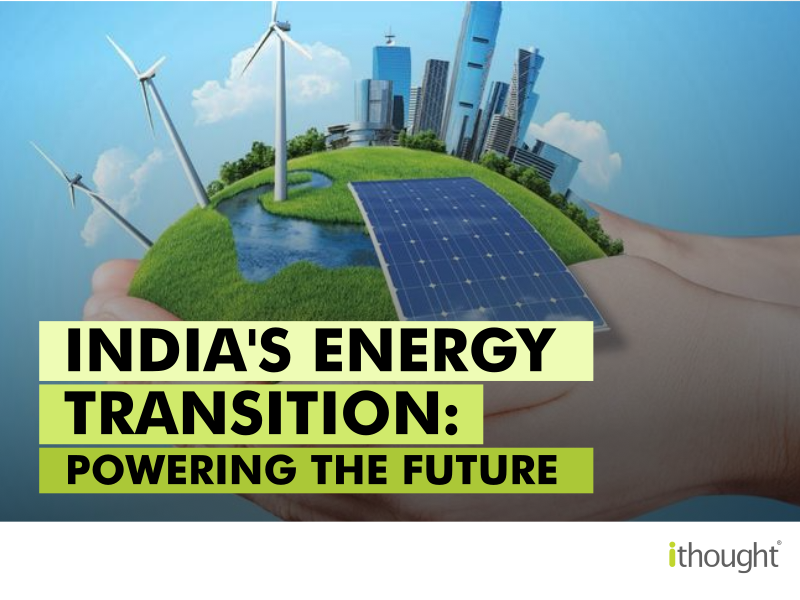

New Business Models Emerging in Solar and Wind
Introduction: A Silent Revolution That Is Reshaping Indian Business
India’s green energy transition is no longer an environmental aspiration. It is a fundamental economic shift that is transforming how industries operate, how businesses create revenue, and how strategic investments flow.
Solar panels now adorn rooftops of factories, office buildings, and residential complexes. Wind turbines rise on plains and coastal regions, feeding clean power into grids that once depended heavily on fossil fuels. Financial institutions are recalibrating risk assessments. Investors are prioritizing sustainability. Corporations are restructuring business units to capture clean energy value.
The narrative is no longer about reducing carbon footprints. It is about forging new business models that generate revenue, optimize operations, and create competitive advantage.
This blog examines the emerging business opportunities in solar and wind energy, why India is uniquely positioned for this transition, and what businesses must prepare for now to benefit long term. We will also explore how digital systems such as POS, CRM, HRMS, and LMS platforms support operational efficiency and growth in the green energy era.
If you are a business leader, entrepreneur, policy strategist, or investor, this is not just informative content. It is strategic direction for the next decade.
Why India’s Green Energy Transition Matters More Than Ever
India has committed to ambitious renewable energy targets aligned with global climate goals. These commitments are not limited to policy statements. They are backed by actionable frameworks, capital incentives, and infrastructural investment.
Several factors make India’s transition significant:
-
Rapidly declining costs of solar and wind technology
-
Growing electricity demand from urbanization and digital economy
-
International investment interest in sustainable infrastructure
-
Policy support through tax incentives, renewable purchase obligations, and transmission expansion
This convergence creates a fertile environment for new business models that did not exist a decade ago.
Business Model 1: Distributed Solar for Commercial Customers
Solar power is no longer limited to large utility farms. Distributed solar energy for commercial and industrial customers is becoming a mainstream revenue model.
Instead of relying solely on grid power, factories, offices, and retail establishments are installing rooftop solar plants to reduce energy costs, improve sustainability metrics, and hedge against energy price volatility.
Two key elements make this business viable:
-
Pay-as-you-generate models that reduce upfront cost for customers
-
Net metering that allows excess energy to be fed back into the grid
Companies can generate revenue by:
-
Installing and managing solar panels for multiple clients
-
Offering energy analytics reports tied to performance
-
Providing maintenance and service contracts
This model creates recurring income opportunities beyond product sales.
Business Model 2: Solar as a Service
Solar as a Service (SaaS in energy, not to be confused with software SaaS) is a leasing model where customers pay for energy produced rather than purchasing solar equipment outright.
This model unlocks solar adoption for businesses that cannot afford significant capital investment.
The value proposition creates:
-
Predictable expenses for customers
-
Recurring revenue for service providers
-
Long term customer relationships
For operations, such businesses increasingly need structured CRM platforms to maintain customer data, monitor contracts, schedule maintenance, and track performance outcomes over time.
CRM systems become strategic revenue engines in this recurring services model.
Business Model 3: Wind Energy Clusters and Co-operative Models
Wind energy is shifting from isolated mega projects to wind energy clusters that spread costs and benefits across regions.
New models include:
-
Co-operative wind farms owned by local stakeholders
-
Joint ventures between corporates and rural landowners
-
Hybrid solar-wind portfolios that balance generation patterns
These clusters create opportunities for:
-
Shared infrastructure services
-
Local workforce development
-
Data driven energy forecasting services
Managing these complex relationships, contracts, and revenue flows requires systems designed for scalability. HRMS platforms help manage distributed teams, payroll, compliance tracking, and workforce deployment across multiple sites.
Business Model 4: Renewable Energy Trading Platforms
As renewable generation scales, businesses are exploring platforms that facilitate energy trading between producers, consumers, and intermediaries.
These platforms allow excess generation from solar and wind sources to be traded in quasi-market environments, enabling price discovery and better utilization of generation capacity.
Software platforms and digital marketplaces become central to this model. CRM systems track buyer and seller interactions. POS-like systems record transactions and settlements in real time. LMS platforms help train stakeholders on market rules, regulatory compliance, and risk management.
This creates a new service layer on top of energy production.
Business Model 5: Green Energy Financing and Carbon Credits
Renewable energy projects generate carbon credits that can be traded or monetized.
Financial institutions and project developers create business units focused on:
-
Structuring green bonds
-
Packaging renewable energy assets
-
Managing carbon credit portfolios
-
Offering financing linked to sustainability performance
These models introduce cross-sector opportunities for finance, insurance, and consulting firms.
Accurate data tracking is essential for credibility in carbon markets. Systems that centralize reporting from solar and wind assets integrate with accounting and compliance tools, supporting transparent reporting to stakeholders.
Operational Readiness: Why Digital Transformation Matters
Business models in renewable energy are data intensive, compliance heavy, and operationally distributed. Digital systems are no longer support tools. They are operational infrastructure.
Consider these cases:
Integrated Billing and Revenue Tracking
Solar service companies and renewable energy traders deal with multiple revenue streams. Mobile POS systems that capture billing data at source ensure accuracy and traceability.
These systems upload data in real time for reconciliation, forecasting, and audit preparation.
Customer Lifecycle Management
Solar installation firms and wind service providers work with customers over long durations, often spanning years.
CRM platforms help organizations keep track of:
-
Contract terms
-
Service schedules
-
Performance feedback
-
Renewals and upsell opportunities
This structured approach supports customer retention and service quality.
Workforce Scale and Compliance
Renewable energy projects employ diverse teams, including technical staff, field engineers, administrative support, and contractual workers. Managing this workforce requires an HRMS that tracks:
-
Employee records
-
Payroll and statutory compliance
-
Deployment across sites
-
Skill certifications
An integrated HRMS ensures operational discipline and legal compliance.
Continuous Learning and Safety Training
Solar and wind work environments have specific safety protocols and technical requirements. Learning management systems (LMS) help organizations standardize training on:
-
Equipment maintenance
-
Safety compliance
-
Regulatory guidelines
-
Quality protocols
This reduces risk and increases workforce effectiveness.
Policy and Regulatory Trends Supporting These Models
India’s regulatory ecosystem for renewable energy encourages innovation.
Policies promoting repurposing of idle lands for renewables, tax benefits for clean energy investments, net metering regulations, accelerated depreciation for equipment, and renewable purchase obligations across states create incentives for diverse business models.
Understanding policy nuance is a competitive advantage. Businesses that invest in continuous learning and compliance training using LMS platforms improve readiness and reduce risk.
Investment and Funding Trends
International funds, development financial institutions, and global ESG investors are allocating capital to renewable energy projects in India.
Investments now favor developers with:
-
Clear revenue models
-
Scalable operations
-
Data transparency
-
Digital traceability
Business models that leverage structured systems demonstrate operational maturity and attract higher valuations and better funding terms.
The Psychological Shift: From Commodity to Strategy
Solar panels and wind turbines are no longer seen as commodity assets. They are strategic assets.
Investors, customers, and partners now evaluate renewable energy initiatives not by cost alone but by:
-
Operational transparency
-
Digital readiness
-
Compliance discipline
-
Long term revenue predictability
This shift changes how business decisions are made and how opportunities are pursued.
Why Early Adopters Will Win
Transitions create gaps between leaders and followers. Early adopters of new business models supported by digital platforms will:
-
Capture market share faster
-
Build operational resilience
-
Attract better talent
-
Maintain regulatory confidence
-
Deliver predictable financial outcomes
This advantage compounds over time.
How Gomsu Information Technologies Supports Renewable Energy Businesses
Gomsu Information Technologies builds digital infrastructure that helps emerging energy businesses operate efficiently and compliantly.
Gomsu POS for Accurate Revenue Capture
Solar service providers and energy traders can use Gomsu POS systems to:
-
Record customer payments
-
Generate GST-ready invoices
-
Provide transparent billing interfaces
-
Track revenue across multiple locations
Accurate transaction data reduces reconciliation bottlenecks and supports financial planning.
Gomsu CRM for Long Term Customer Engagement
CRM solutions from Gomsu help renewable businesses:
-
Manage complex customer relationships
-
Track contract histories
-
Organize communication records
-
Forecast customer needs based on service data
This enables stronger relationships and higher customer lifetime value.
Gomsu HRMS for Workforce and Compliance Management
Managing distributed teams across solar and wind projects requires:
-
Standardized employee records
-
Centralized payroll processing
-
Compliance tracking
-
Deployment monitoring
Gomsu HRMS provides a single source of truth that improves operational control while staying compliant with statutory obligations.
Gomsu LMS for Structured Learning
Training and certification are critical in renewable energy work environments. Gomsu LMS helps companies:
-
Deliver safety training modules
-
Track learner progress
-
Standardize technical education
-
Align training with compliance requirements
This reduces risk and boosts workforce capability.
Conclusion: India’s Green Energy Transition Is a Business Revolution
The shift toward solar and wind energy in India is not merely about sustainability. It is about structural economic transformation.
New business models are emerging across distributed energy services, financing, trading platforms, customer centric services, and workforce solutions.
Companies that understand this transition and invest in systems that support operational maturity, data accuracy, and customer engagement will shape the future of energy in India.
The opportunity is large. The timeline is now.
Call to Action
If this article expanded your view of India’s green energy transition, share it with colleagues, partners, and professionals in your network.
Comment with your insights, questions, or experiences.
Like and share to keep the discussion active.
Strong economies are built through informed conversations.
What's Your Reaction?