The Rise of AI Adoption in Indian Businesses
Opportunities, Risks, and the Reality No One Is Talking About
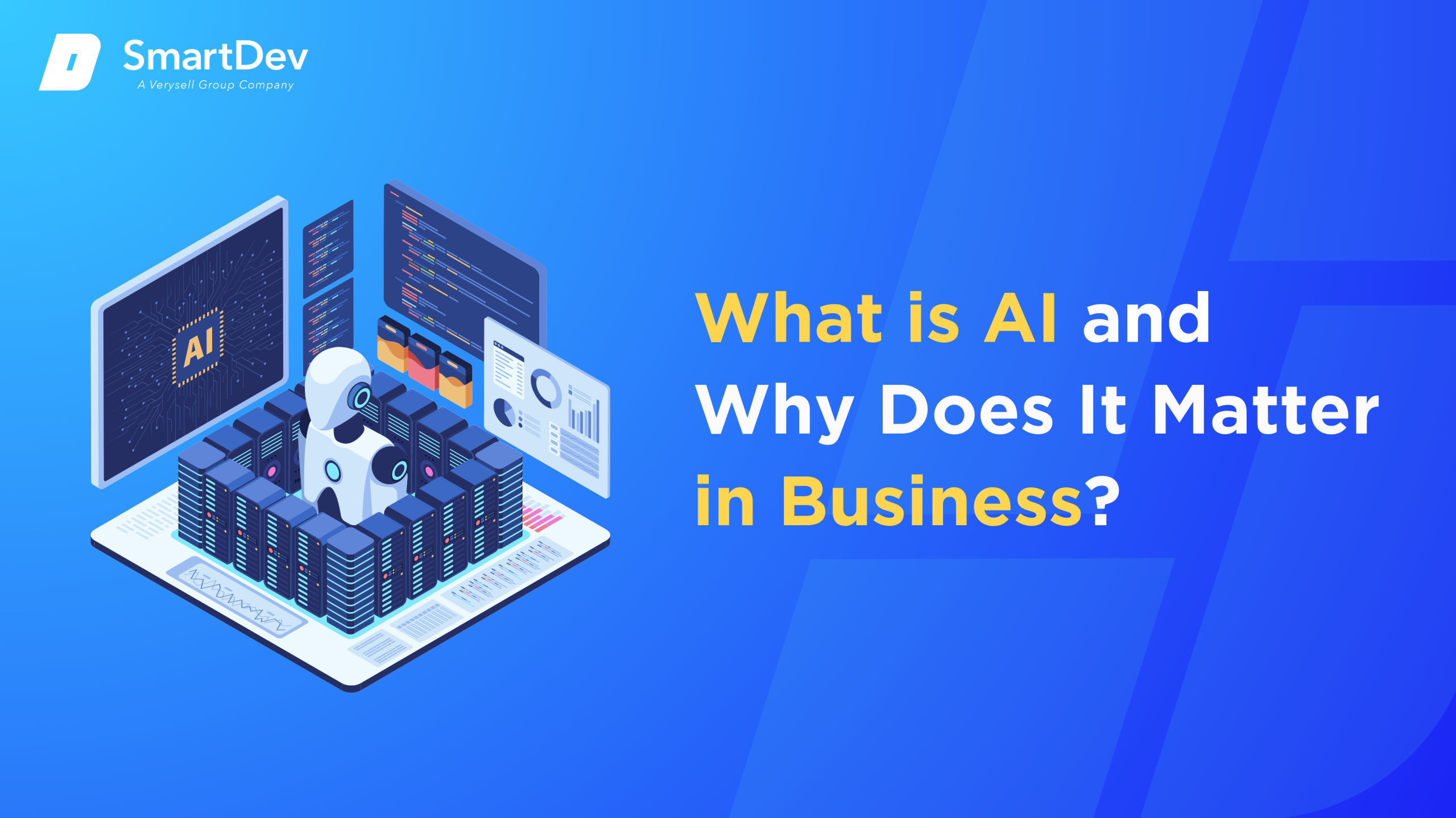

Introduction: Why AI Is No Longer a Future Conversation
Artificial Intelligence is no longer a futuristic concept discussed only in tech conferences and research papers. In India, AI has quietly entered boardrooms, shop floors, HR departments, classrooms, and customer support desks.
What makes this shift powerful is not the technology itself, but the speed at which businesses are being forced to adapt.
Indian businesses are not asking whether they should adopt AI anymore. They are asking how fast they must adopt it to remain relevant.
This blog explores the real impact of AI adoption in Indian businesses, separating hype from reality, opportunity from risk, and automation from intelligence. More importantly, it explains how businesses can adopt AI responsibly without losing control, culture, or clarity.
Read this completely. AI rewards those who understand it deeply and punishes those who follow it blindly.
Understanding the AI Wave in the Indian Business Context
India’s AI adoption is unique. Unlike developed economies where AI is layered over mature systems, many Indian businesses are adopting AI while still building their foundational processes.
This creates both opportunity and danger.
AI can multiply efficiency, but only when underlying systems are structured. Without clean data, documented workflows, and digital discipline, AI amplifies confusion instead of clarity.
This is why AI adoption in India cannot be copied from global models. It must be contextual, practical, and process driven.
Businesses that understand this distinction move faster and safer.
Why Indian Businesses Are Embracing AI So Rapidly
There are three primary reasons behind the rapid rise of AI adoption in India.
First, cost pressure. Businesses are under constant pressure to do more with fewer resources. AI promises automation, speed, and scalability.
Second, competition. Customers expect faster responses, personalized experiences, and consistent service. AI makes this possible.
Third, policy and ecosystem push. Government initiatives, digital infrastructure, and startup ecosystems are encouraging AI driven solutions across sectors.
However, the psychological driver is deeper.
Business leaders fear being left behind.
That fear pushes adoption faster than understanding.
AI in Sales and Customer Management
Sales is one of the earliest adopters of AI in India.
Businesses use AI for lead scoring, customer segmentation, predictive buying behavior, and automated follow ups.
When combined with a structured CRM system, AI becomes powerful. It identifies patterns humans often miss and improves decision making.
But without a proper CRM foundation, AI recommendations lack accuracy.
This is why forward thinking businesses first strengthen their CRM platforms before layering AI capabilities. They understand that intelligence depends on data quality.
Companies searching for CRM solutions today are not just looking for contact management. They are preparing for AI driven customer intelligence.
AI in Retail, Billing, and Revenue Tracking
Retail and service businesses increasingly rely on AI driven insights to manage inventory, pricing, and demand forecasting.
POS systems integrated with analytics allow businesses to track purchasing behavior, peak hours, and product performance.
When AI analyzes POS data, businesses gain visibility into what sells, when it sells, and why it sells.
However, AI cannot fix inconsistent billing practices or manual record keeping.
Businesses that first adopt structured POS systems are the ones who benefit most from AI driven insights later.
This reinforces a critical truth. AI does not replace systems. It builds on them.
AI and Human Resources: Opportunity and Anxiety
HR is experiencing one of the most complex transformations due to AI.
AI is now used for resume screening, candidate matching, performance analysis, attrition prediction, and workforce planning.
For HR leaders, this creates both excitement and anxiety.
The opportunity lies in reducing manual workload and improving hiring accuracy. The risk lies in bias, over automation, and loss of human judgment.
HRMS platforms play a crucial role here. They provide structured employee data that AI tools rely on.
Without an HRMS, AI driven HR decisions become fragmented and unreliable.
Organizations that integrate HRMS with learning platforms also gain an advantage. LMS systems help reskill employees as roles evolve due to AI.
This balance between automation and human development defines successful AI adoption in HR.
AI in Learning and Skill Development
AI is reshaping how employees learn.
Traditional training programs are static. AI driven learning adapts to individual progress, preferences, and performance.
LMS platforms enhanced with AI personalize learning paths, recommend courses, and track skill gaps.
In India’s fast evolving job market, continuous learning is not optional. Businesses that invest in AI supported LMS platforms future proof their workforce.
This also improves employee engagement and retention.
Employees feel supported instead of replaced.
The Hidden Risk: Adopting AI Without Process Maturity
One of the biggest mistakes Indian businesses make is adopting AI before fixing basic processes.
AI does not create discipline. It requires discipline.
Without clear workflows, standardized data entry, and defined responsibilities, AI outputs become misleading.
This leads to poor decisions and loss of trust in technology.
Experienced business leaders understand that AI adoption must follow process maturity.
This is why integrated platforms that manage sales, customers, employees, and learning provide a stable foundation for AI readiness.
The Psychological Impact of AI on Business Teams
AI adoption affects mindset as much as operations.
Employees fear job loss. Managers fear loss of control. Leaders fear wrong decisions.
Businesses that communicate AI adoption as an enhancement rather than a replacement see better acceptance.
Transparency matters.
When AI is introduced alongside tools like HRMS and LMS, employees understand that systems exist to support growth, not eliminate roles.
Trust becomes the deciding factor in successful AI integration.
AI Adoption and Compliance in India
AI increases scrutiny.
Automated decisions must be explainable. Data usage must be ethical. Employee and customer data must be protected.
Indian regulations around data protection and digital governance are evolving rapidly.
Businesses using structured systems are better prepared for compliance.
POS systems provide transaction traceability. CRM systems ensure customer data management. HRMS platforms maintain employee records. LMS platforms document training and compliance learning.
AI adoption without these foundations increases legal and operational risk.
Why Small Businesses Should Not Fear AI
There is a misconception that AI is only for large enterprises.
In reality, small businesses benefit the most when AI is applied correctly.
AI reduces dependency on large teams. It improves decision speed. It enables personalized customer experiences.
The key is starting small.
Small businesses that adopt basic POS, CRM, HRMS, and LMS platforms create a base for gradual AI integration.
This approach reduces risk and builds confidence.
The Role of Gomsu Information Technologies in AI Ready Businesses
Gomsu Information Technologies focuses on building structured digital ecosystems for businesses.
Its POS, CRM, LMS, and HRMS platforms help organizations organize data, streamline workflows, and improve visibility.
These platforms are designed to support scalability and future integration with advanced technologies like AI.
Businesses exploring AI adoption often begin by strengthening their operational backbone. That journey naturally leads them toward integrated solutions that reduce complexity.
The goal is not rapid automation. The goal is intelligent growth.
International Perspective: Why Indian AI Adoption Matters Globally
Global businesses increasingly view India as a technology driven growth market.
Indian companies that adopt AI responsibly and ethically become attractive partners for international collaborations.
Process driven operations supported by CRM, HRMS, LMS, and POS platforms signal maturity.
This alignment opens doors to global projects, outsourcing opportunities, and investments.
The Future of Work in an AI Driven India
AI will not eliminate jobs. It will redefine them.
Roles focused on repetition will decline. Roles focused on judgment, creativity, and relationship management will grow.
Businesses that invest in learning platforms prepare employees for this shift.
AI adoption without learning creates fear. AI adoption with learning creates empowerment.
Conclusion: AI Is a Tool, Not a Strategy
AI adoption is inevitable. But success depends on how it is implemented.
Businesses that treat AI as a shortcut fail. Businesses that treat AI as a multiplier succeed.
The foundation remains the same. Clear processes. Clean data. Ethical practices. Continuous learning.
POS, CRM, LMS, and HRMS platforms provide this foundation.
AI builds intelligence on top of it.
Call to Action: Join the Conversation
AI is changing how businesses operate, hire, and grow.
If this article helped you understand AI adoption beyond headlines, share it with your team or network.
Comment with your thoughts, concerns, or experiences.
Like and share to continue the discussion.
Meaningful conversations shape meaningful adoption.
What's Your Reaction?