Power Soap Business Plan Industry Insights Market Trends Growth Strategy and Future Opportunities
A powerful long form guide on the Power Soap business plan detergent market trends competitor analysis growth strategies and future opportunities for entrepreneurs.
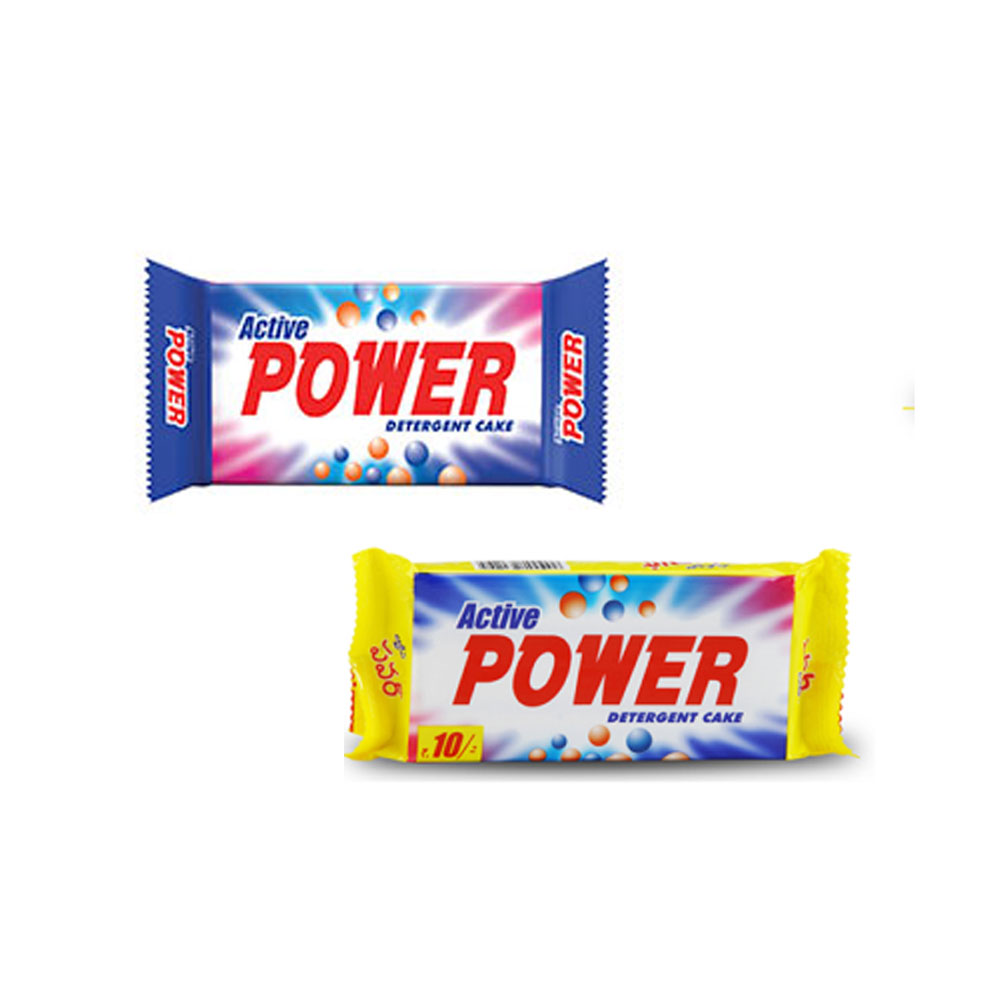

Power Soap Business Plan 2025 Market Trends Competitor Insights and Startup Strategy
Introduction
The detergent and soap industry is one of the most essential and consistently growing sectors in the global FMCG economy. Power Soap is a category that refers to strong high performing detergents designed for deeper stain removal and value packed cleaning. As consumers demand higher hygiene standards the need for durable effective detergent products rises sharply. Understanding how Power Soap can become a brand and a business is important for entrepreneurs startup founders management students and business researchers who want to understand one of the most stable evergreen and high demand industries.
A detergent business plan is not just a document. It is the foundation of a long term consumer goods strategy. A powerful detergent brand can become a household name for decades because people need soaps and detergents on a daily basis regardless of economic conditions. In this detailed blog you will learn the entire journey of the detergent industry the story of how the strongest brands grew the full business plan for launching a Power Soap brand manufacturing insights financial ideas market trends SWOT analysis and the most profitable opportunities for new entrepreneurs in this sector.
History of Power Soaps and Evolution of Detergents
Power Soap represents the category of strong performance detergents. The idea of high performance cleaning solutions began in the early twentieth century when synthetic surfactants replaced traditional alkaline soaps. This marked a revolution because synthetic detergents worked better in hard water were more stable produced more foam and removed stains more effectively.
During the 1930s to 1950s powder detergents entered the global market. Companies like Procter and Gamble introduced the earliest synthetic detergent powders. By the 1960s and 1970s television advertising made detergents global household names.
In India the real transformation began around the 1970s and 1980s. Nirma disrupted the market by providing extremely affordable detergent powder. Surf Excel created premium positioning and introduced the idea of fashionable effective washing. Ghadi later captured the middle class through smart pricing and rural penetration. Rin continued to dominate the detergent bar segment. By the 2000s advanced performance detergents became popular which led to the rise of what we call Power Soap today. These detergents included bleach boosters stain enzymes antibacterial formulas and high efficiency cleaning agents.
In the modern era detergents use enzyme technology plant based surfactants recyclable sustainable packaging and hyper concentrated formulas. The Power Soap category continues to evolve with better science and customer expectations.
Competitor Analysis of the Leading Detergent Brands
Surf Excel
Surf Excel is positioned as a premium emotional brand. Its most famous line Daag Achhe Hain transformed the psychology of detergent marketing. Surf Excel focuses on premium specialized stain removal products and advanced enzyme formulas. Its marketing depends heavily on storytelling family emotions festive campaigns and value based experiences. Its lesson for entrepreneurs is that emotional branding can elevate even a commodity product into a premium category.
Tide
Tide focuses on value conscious families and mass adoption. Known for bright whitening and color protection Tide has a strong presence in the Indian rural and semi urban market. It uses high visibility advertising and refill economy packs to attract middle income households. The lesson for entrepreneurs is that smart pricing and high volume sales can build a billion rupee brand.
Ariel
Ariel is P and G’s premium high technology detergent. Positioned as a tough stain remover the brand focuses on innovation and social messaging. Ariel’s Share The Load campaign targeted gender equality and became one of the most iconic detergent campaigns. Ariel teaches that science based innovation always wins in premium segments.
Rin
Rin built itself through affordable bars and brightening detergents that penetrated deep into rural markets. Rin is known for reliability availability and affordability. The lesson from Rin is that mass markets prefer simple value based communication.
Ghadi
Ghadi is one of the biggest examples of Indian entrepreneurial success. With the famous line Pehle Istemaal Karein Phir Vishwas Karein the brand won customer trust and disrupted the low price segment. Its distribution strategy was so strong that multinational brands struggled to compete. Ghadi teaches that distribution strength is more powerful than advertising.
Nirma
Nirma is the iconic case of a challenger brand defeating global giants through price innovation and mass marketing. The founder Karsanbhai Patel sold detergents door to door at one third the market price. The brand captured the low cost detergent segment and became a cultural symbol. Nirma teaches that affordability can create national level dominance.
Industry Trends in the Detergent Market
The detergent industry is driven by strong global and Indian trends. The rise of concentrated formulas allows customers to use smaller quantities. Eco friendly surfactants and biodegradable packaging reduce environmental impact which increases consumer trust. Refill pack economy continues to perform strongly because customers prefer to refill jars rather than buy large expensive packets.
E commerce growth has reshaped detergent sales with brands now launching direct to consumer subscription models. Lifestyle based detergents for baby clothes sportswear soft fabrics and specific stains are increasing in demand. The global detergent market is expected to grow steadily with a CAGR of around five to six percent due to hygiene awareness and population expansion. India is one of the top contributors to global detergent consumption and remains an attractive market for new brands like Power Soap.
Power Soap Business Plan Complete Breakdown
Vision and Mission
The vision of Power Soap is to provide high performance cleaning solutions that deliver exceptional stain removal and long lasting freshness at an affordable cost. The mission is to innovate consistently create superior quality formulas maintain customer trust and become a leading detergent brand across urban and rural markets.
Value Proposition
Power Soap offers deep cleaning stain focused formulas strong fragrance long lasting freshness and affordability. The brand will focus on reliability consistency and everyday usability.
Product Variations
Power Soap can be produced in powder form liquid form detergent cakes antibacterial formulas organic versions fragrance specific variants machine wash focused detergents and large family sized packs.
Manufacturing Plan
To manufacture Power Soap the company must acquire raw materials like surfactants soda ash optical brighteners enzymes fragrances and packaging materials. Machinery includes mixers ribbon blenders pulverizers weighing machines packaging machines and sealing machines. Manufacturing requires quality control labs safety equipment and trained technicians.
Raw Material Sourcing
Raw materials can be sourced from chemical suppliers in Gujarat Maharashtra and other industrial belts. Long term contracts reduce costs. Bulk procurement ensures consistent quality and maintains economies of scale.
Branding Strategy
Power Soap branding should focus on strength performance trust and cleanliness. The communication style should be emotional and relatable for family audiences. Influencer marketing television digital ads and shop level branding should be consistently executed.
Packaging Strategy
Power Soap requires durable moisture resistant packaging. The design should focus on fresh colors clear benefits and strong visual identity. Refill packs should be available for cost sensitive buyers.
Pricing Model
Power Soap must use competitive mass pricing. Cost per wash should be lower than premium brands but quality must be close to them. Indian markets are highly price sensitive so smart tiered pricing is recommended.
Distribution Channels
Distribution will include retail shops kirana stores supermarkets e commerce DTC website online marketplaces and rural wholesalers. Strong distribution networks create brand dominance.
Sales Funnel
Awareness through ads
Interest through sampling
Trial through small packs
Repeat through value packs
Loyalty through subscription models and offers
Marketing Plan
Power Soap should use television ads digital campaigns reels WhatsApp marketing influencer content and promotional activities. BTL marketing in schools residential areas and kirana stores helps in gaining market visibility. Retail schemes and seasonal offers will improve sales.
SWOT Analysis
Strengths are affordability and high performance. Weakness may include brand recognition in early stages. Opportunities lie in the growing demand for detergents. Threats include competition from established FMCG brands.
Operational Plan
The operations include procurement production quality control packaging warehousing distribution and retailer support. Efficient supply chain management is essential.
Team Structure
The team should include a production manager quality head marketing manager finance manager sales executives packaging staff factory workers and distribution coordinators.
Legal Compliance
The business must comply with manufacturing laws pollution control board rules BIS certifications GST factory license shop act and labor regulations.
Financial Projection Overview
Initial investment depends on plant capacity. Profits typically scale through volume. Break even analysis helps calculate at what sales volume total costs equal revenue. The goal is to reach a point where fixed costs are recovered and the business becomes profitable.
How Leading Detergent Companies Stay Profitable
Leading detergent companies maintain profitability through economies of scale allowing them to produce at lower costs. They procure raw materials in bulk secure long term pricing contracts and maintain exclusive distribution territories. Advertising psychology creates strong recall and loyalty. Seasonal demand during festivals boosts sales. Companies innovate consistently through fragrances packaging technologies and formulas. High margin stock keeping units like sachets family packs and liquid detergents generate strong profitability.
Main Business Lessons from the Power Soap Business Plan
The first lesson is differentiation. Even in a crowded market unique positioning wins. Competitor analysis helps understand gaps. Cost per wash pricing is more effective than per kilogram pricing. Packaging plays a major role in customer decisions. Consumer behavior influences detergent sales in surprising ways. The value stack in FMCG is built through quality price trust and accessibility. Financial discipline ensures long term sustainability. Scaling a product demands both marketing and distribution strength.
Micro Case Studies
Nirma disrupted the market by offering detergent at one third of the price set by multinational brands. This created massive rural adoption.
Ghadi targeted affordability and distribution instead of competing through advertisements. This built a large loyal customer base.
Surf Excel became the premium leader through strong emotional positioning.
Tide captured rural India with value based promotions and combo packs.
Entrepreneurial Perspective
The Power Soap business is ideal for entrepreneurs because detergent is an evergreen product required by every household. Low competition in the premium performance but affordable category creates a gap for new entrants. Consumers want better cleaning at reasonable prices which Power Soap can deliver. Opportunities exist in liquid detergents specialty detergents organic detergents refill models and subscription based supply. Entrepreneurs can also use regional branding to capture local markets rapidly.
Conclusion
The Power Soap business plan shows how powerful the detergent industry is for long term success. This sector rewards consistency branding strong quality and large distribution. If you are an entrepreneur dreaming of building a successful FMCG startup Power Soap is a promising and practical option. The market is large competition can be defeated with innovation and new opportunities continue to emerge. Use this business plan as your inspiration and roadmap.
If this article helped you please like share and subscribe to our newsletter .
What's Your Reaction?