Global Recession Fears 2025: How Businesses Can Stay Resilient
Global recession fears in 2025 are rising. Learn in simple words how businesses can stay resilient, reduce risk, manage cash flow, and grow stronger using smart systems and planning
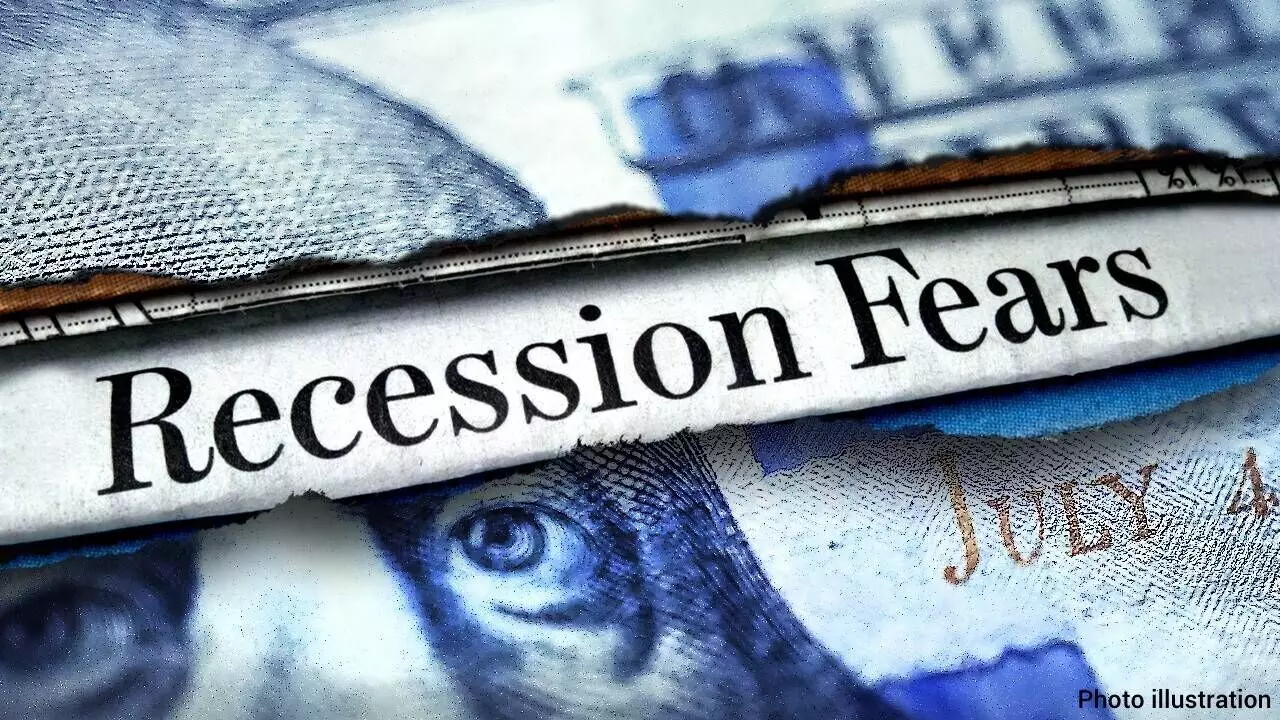

Introduction: Why Everyone Is Talking About Recession Again
Everywhere you look, the word “recession” is coming back.
News channels talk about slow growth. Companies talk about layoffs. Prices feel unstable. People feel unsure about jobs and income.
This fear is not imaginary.
In 2025, global markets are under pressure. Interest rates remain high in many countries. Consumer spending is slowing. Wars, supply chain issues, and policy changes are creating uncertainty.
But here is the truth most people miss.
A recession does not destroy all businesses.
It separates weak businesses from prepared ones.
This blog explains, in very simple words, how businesses can stay strong during recession times. No complicated theory. Just practical thinking that actually works.
First Understand This Clearly: Recession Is a Slowdown, Not the End
A recession means money moves slower.
Customers think more before buying.
Companies delay decisions.
Investors become careful.
But people do not stop buying completely. They only become selective.
So the goal for businesses is simple:
-
Spend carefully
-
Earn smartly
-
Control operations tightly
Businesses that understand this survive. Businesses that panic fail.
Biggest Mistake Businesses Make During Recession
The biggest mistake is blind cost cutting.
Many companies:
-
Fire employees suddenly
-
Stop customer communication
-
Shut down systems
-
Go back to manual work
This creates more damage than savings.
Recession does not demand less control.
It demands more control and clarity.
This is where systems, data, and planning matter the most.
Rule 1: Cash Flow Is More Important Than Profit
In good times, profit looks attractive.
In bad times, cash flow keeps you alive.
You must clearly know:
-
How much money is coming in
-
How much is going out
-
Where money is stuck
-
Which customers pay late
Businesses that track sales and payments daily stay calm.
Using proper POS systems helps businesses see real sales numbers, not guesses. Clean billing means faster collections. Faster collections mean better survival.
Rule 2: Know Your Customers Better Than Ever
During recession, customers do not disappear.
They just become careful.
Businesses that understand customers win.
You should know:
-
Who buys regularly
-
Who stopped buying
-
Who complains and why
-
Who might buy again with trust
This is where CRM systems quietly become powerful.
CRM is not for luxury.
It helps you remember customers when money is tight.
Businesses that stay connected to customers survive longer than those who only chase new leads.
Rule 3: Do Not Fire Skills, Manage Them
Many companies fire people to save money.
Later, when business improves, they struggle to hire again.
Smart businesses do this instead:
-
Keep core employees
-
Track productivity clearly
-
Assign work properly
-
Reduce confusion
HRMS systems help businesses see who is doing what, without shouting, guessing, or micromanaging.
When employees feel secure and clear, they work better even in difficult times.
Fear kills productivity. Structure builds confidence.
Rule 4: Train, Do Not Freeze Learning
This sounds strange to many people.
Why train during recession?
Because recession changes the market.
New tools, new customer behavior, new selling methods appear. Businesses that stop learning become outdated fast.
Simple training through LMS platforms helps:
-
Upskill employees
-
Improve efficiency
-
Reduce mistakes
-
Increase confidence
Training does not always mean big money.
It means right knowledge at the right time.
Rule 5: Systems Reduce Stress, Not Increase Cost
Many small businesses think systems are expensive.
But the truth is the opposite.
Without systems:
-
Owners do everything themselves
-
Mistakes increase
-
Stress increases
-
Decisions become emotional
With systems:
-
Data is visible
-
Decisions are calmer
-
Time is saved
-
Control increases
During recession, clarity is power.
This is why businesses start searching for simple, reliable tools when pressure increases.
How Gomsu Information Technologies Fits Into This Reality
Gomsu Information Technologies builds tools that help businesses stay in control when things feel out of control.
Not fancy tools. Practical tools.
Gomsu POS
Helps businesses track sales clearly, bill correctly, and manage daily revenue without confusion.
Gomsu CRM
Helps businesses stay connected to customers, follow up properly, and build trust when customers are cautious.
Gomsu HRMS
Helps manage employees, attendance, payroll, and compliance in one place so owners focus on decisions, not chaos.
Gomsu LMS
Helps train teams slowly and steadily so businesses improve instead of freezing during tough times.
These tools do not replace people.
They support people.
Psychological Truth About Recession
Recession hurts confidence more than money.
Business owners lose sleep.
Employees fear job loss.
Customers hesitate.
When systems are in place, fear reduces.
Data creates calm.
Clarity creates confidence.
Control creates stability.
Businesses that stay mentally strong survive financially.
What Strong Businesses Do Differently in Recession
They:
-
Plan instead of panic
-
Communicate instead of disappearing
-
Control instead of guessing
-
Train instead of freezing
-
Use systems instead of chaos
This is why some businesses grow even when the economy slows.
Conclusion: Recession Does Not Kill Businesses, Weak Systems Do
Global recession fears in 2025 are real.
But fear alone does not decide outcomes.
Preparation does.
Businesses that understand cash flow, customers, employees, and systems stay resilient. They bend, but they do not break.
This is not about becoming big.
This is about becoming strong and stable.
Call to Action
If this blog made things clearer for you, share it with someone who is worried about business or jobs.
Comment if you want more simple, honest business guidance.
Like, share, and discuss.
Strong businesses are built through shared understanding.
What's Your Reaction?